
Choosing the right flooring is a key part of designing any home or commercial space. The type of flooring you select can impact not only the look and feel of a room but also its comfort, functionality, and ease of maintenance. Whether you’re upgrading an office, renovating a shop, or refreshing your living room, it’s important to consider how each flooring material performs in different environments.
In this guide, we’ll explore three popular flooring options — office carpet tiles, SPC click flooring, and vinyl flooring. You’ll discover what spaces they work best in, along with their pros and cons, to help you make the most practical and stylish choice for your space.
1. Carpet Tiles
Office carpet tiles are modular flooring pieces specifically designed for commercial and office environments. They offer a practical and flexible solution that’s easy to install, replace, and maintain. Known for their durability and sound-absorbing qualities, carpet tiles help create a comfortable and quiet workspace while adding a professional and polished look to the interior.


Best for: Office spaces, meeting rooms, co-working areas, commercial interiors needing sound insulation
Pros:
- Great sound absorption
- Comfortable underfoot
- Modular and easy to replace
- Variety of patterns and colors
Cons:
- Less suitable for wet areas
- May trap dust and allergens
- Requires regular cleaning for a tidy look
2. SPC Click Flooring
SPC click flooring (Stone Plastic Composite) is a highly durable and water-resistant flooring option made from a blend of limestone and stabilizers. It features a click-lock installation system, making it easy to install without glue or nails. With its rigid core and realistic wood or stone designs, SPC flooring is ideal for high-traffic areas that require both strength and style.


Best for: Living rooms, kitchens and dining areas, retail shops and cafes, high-traffic residential or commercial areas
Pros:
- Waterproof and highly durable
- Easy click-lock installation
- Resists scratches and dents
- Realistic wood or stone look
Cons:
- Harder underfoot than vinyl or carpet
- Requires level subfloor
- Slightly higher cost than basic vinyl
3. Vinyl Flooring
Vinyl flooring is a versatile and cost-effective flooring option made from synthetic materials, offering a smooth, cushioned surface that’s comfortable underfoot. It comes in a variety of designs, including wood, tile, and stone patterns, making it easy to match any interior style. Vinyl is also water-resistant, low-maintenance, and easy to install, making it a popular choice for both residential and light commercial spaces.


Best for: Bedrooms and living areas, rental properties, light-use commercial spaces, budget-friendly renovations
Pros:
- Affordable and stylish
- Comfortable and quiet underfoot
- Easy to maintain and clean
- Wide range of design options
Cons:
- Less durable than SPC
- Can dent or scratch over time
- Not ideal for heavy-use commercial areas
4. Laminate Flooring
Laminate flooring is a cost-effective, wood-look alternative made from high-density fiberboard (HDF) topped with a photographic image layer and a protective wear layer. While it mimics the look of hardwood, it’s more scratch-resistant and easier to maintain. However, traditional laminate is not waterproof and can swell or warp if exposed to standing water. Modern versions may offer water-resistant coatings but are still best suited for dry indoor areas. It’s popular for its ease of installation and affordability.
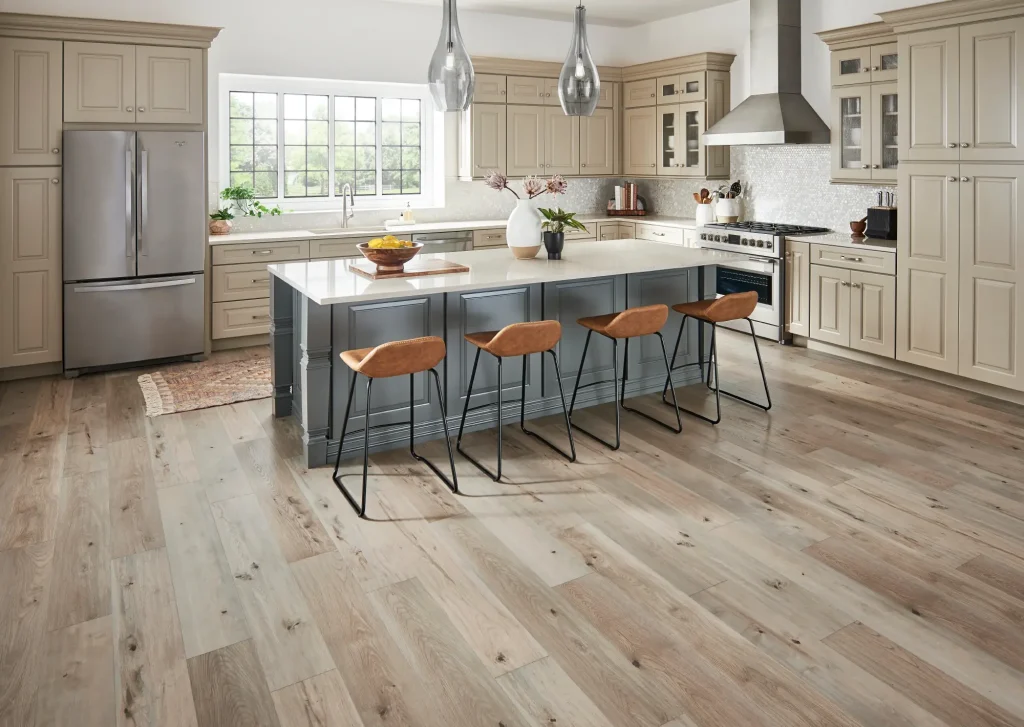
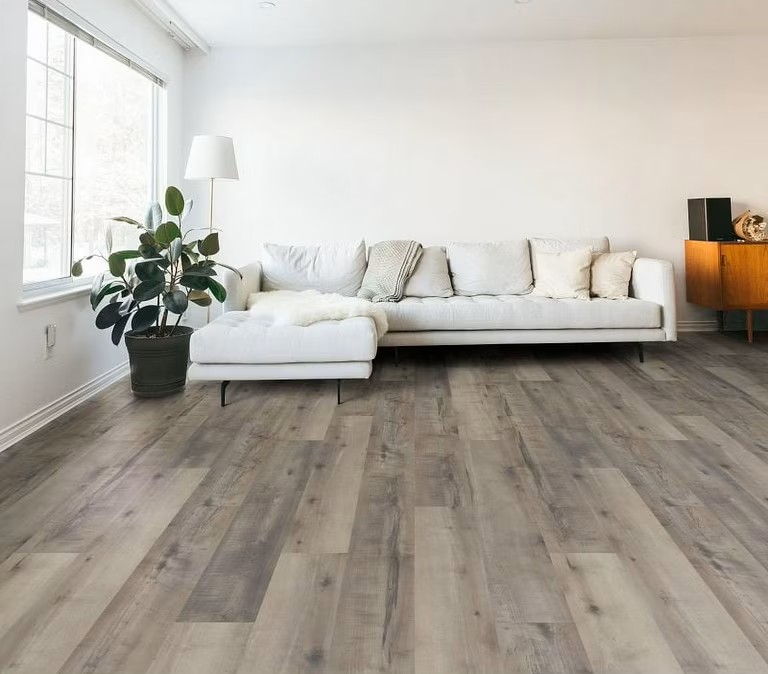
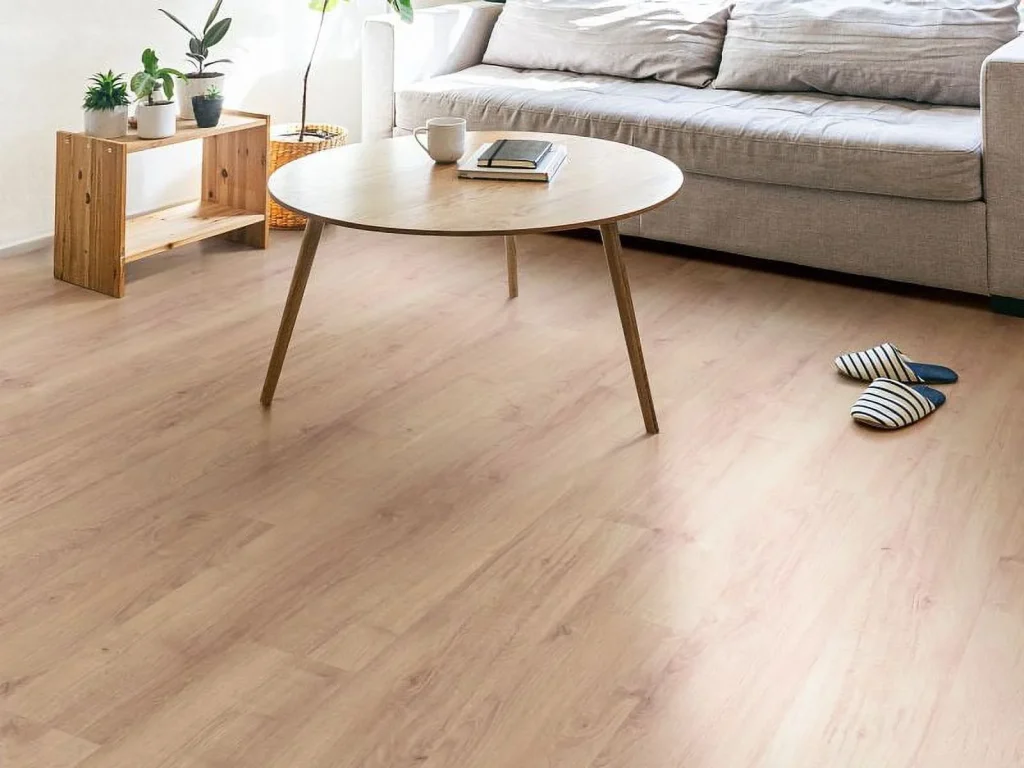
Best for: Bedrooms, living rooms, offices, hallways, and other dry indoor environments.
Pros:
- Affordable and budget-friendly
- Highly resistant to scratches and everyday wear
- Wide range of styles, patterns, and finishes
- DIY-friendly with click-lock installation
Cons:
- Not waterproof — moisture can cause swelling or damage
- Feels harder and noisier underfoot compared to WPC or vinyl
- Not suitable for bathrooms, kitchens, or other wet areas
5. WPC Flooring (Wood Plastic Composite)
WPC flooring is a type of luxury vinyl flooring with a rigid, waterproof core made from a blend of wood fiber and plastic composites. It’s designed to combine the realistic appearance of wood with enhanced comfort and durability. Thanks to its multi-layer structure — which includes a wear layer, printed vinyl layer, waterproof core, and underlayment — WPC flooring offers both aesthetic appeal and functional benefits. It’s especially popular in residential settings due to its warmth underfoot and sound-reducing properties.
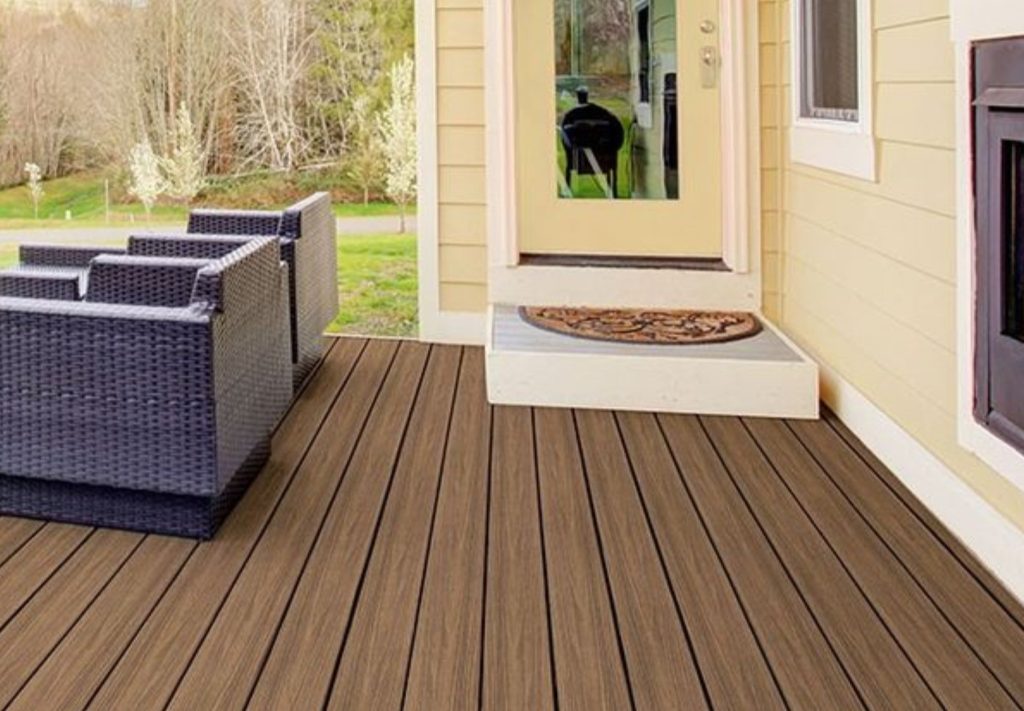
Best for: Living rooms, bedrooms, dining areas, apartments, and light commercial spaces.
Pros:
- 100% waterproof, suitable for moisture-prone areas
- Softer and warmer underfoot compared to SPC
- Built-in underlayment offers noise reduction
- Easy to install with a floating click-lock system
Cons:
- Less dense than SPC, making it more prone to denting
- Typically more expensive than standard vinyl or laminate
- Not ideal for heavy commercial traffic
Flooring Type Comparison

Looking for Quality Flooring Service? VE+ Has You Covered
If you are looking for reliable, high-quality flooring solutions, VE+ is here to help. Our team is committed to delivering professional installation and top-tier materials that suit your space, budget, and design preferences. Whether you’re upgrading an office, renovating a commercial unit, or refreshing your home, we offer the right flooring with expert guidance every step of the way. If you’re interested, feel free to visit our website by clicking here to explore more.
We proudly serve clients across KL, Selangor, and surrounding areas — including Puchong, Gombak, Bangsar, Serdang, and more. Get in touch with us by clicking here to explore your options, request a consultation, or book your flooring installation with ease.